



Every year, hundreds of thousands of veterans living with post-traumatic stress disorder leave thousands of dollars in PTSD benefits for veterans unclaimed, not because the programs do not exist, but because no single resource connects all of them in one place. The reality is that veteran mental health benefits stretch far beyond VA disability compensation. From emotional support animal letters and FMLA job protections to prescription assistance, handicap parking placards, medical marijuana access, tax exemptions, and student loan discharge, the full picture of available support is far more comprehensive than most veterans realize. This guide covers every major benefit available to veterans with PTSD in 2026, how each one works, what it is worth, and how platforms like Rocket Records are making the entire claims process faster and simpler than ever before.
Understanding PTSD Benefits for Veterans: The Legal Foundation
Before claiming any benefit, it is important to understand the legal framework that makes PTSD a qualifying condition across multiple federal and state programs. PTSD is formally recognized as a disability under both VA law and the Americans with Disabilities Act, which means veterans with a diagnosis are protected across employment, housing, healthcare, and public accommodations.
How PTSD Qualifies Under VA Disability Law
According to the U.S. Department of Veterans Affairs, a veteran may qualify for VA disability compensation for PTSD if they have a current PTSD diagnosis from a VA or VA-approved doctor, a confirmed traumatic event during their service, and a medical opinion linking their current PTSD to that in-service event. The stressor does not have to be combat-related. Military sexual trauma, witnessing the death or injury of another person, and other non-combat traumatic events all qualify under VA rules.
The VA uses a specific diagnostic framework to assign ratings for PTSD. These ratings are determined by how severely the condition affects your daily functioning, occupational performance, and social relationships. A VA Compensation and Pension (C&P) exam is typically required as part of the claims process, during which a VA examiner assesses the severity of your symptoms.
VA Disability Ratings for PTSD and 2026 Pay Rates
PTSD is rated at 0%, 10%, 30%, 50%, 70%, or 100% depending on symptom severity. The 2026 VA disability pay rates reflect a 2.8% cost-of-living adjustment. The monthly tax-free payment amounts for a veteran with no dependents are as follows:
| PTSD Rating | Monthly Payment | Annual Value | Status |
|---|---|---|---|
| 10% | $180.51 | $2,106 | Partial impairment |
| 30% | $552.31 | $6,292 | Moderate symptoms |
| 50% | $1,132.48 | $12,582 | Serious impairment |
| 70% | $1,808.45 | $21,701 | Severe impairment |
| 100% | $3,938.58 | $47,263 | Total disability |
What Service Connection Means and How to Establish It
Service connection is the formal link the VA establishes between your current PTSD diagnosis and a specific traumatic event during your military service. To establish service connection, you need a current diagnosis, an in-service stressor, and a nexus, which is a medical opinion stating your current PTSD is at least as likely as not related to your service. If you were diagnosed with PTSD while on active duty, service connection is generally easier to establish. For veterans whose PTSD symptoms emerged after discharge, buddy statements, service records, and medical opinions from private providers can all strengthen your claim.
Veterans who believe their current rating undervalues their PTSD symptoms have the right to request a rating increase at any time. The VA is required to evaluate all evidence submitted with an increase request, and ratings can be adjusted upward if the evidence supports a higher level of impairment.
VA Disability Compensation: The Core of PTSD Benefits for Veterans

VA disability compensation is the foundation of PTSD benefits for veterans. It provides a monthly, tax-free payment to veterans whose PTSD is service-connected. The amount is determined entirely by your combined disability rating and dependent status, and it increases each year through cost-of-living adjustments tied to the Social Security Administration’s annual COLA. The 2026 rates represent a 2.8% increase from 2025, ensuring that compensation keeps pace with inflation.
How PTSD Ratings Are Assigned
The VA uses the General Rating Formula for Mental Disorders to evaluate PTSD. Ratings are assigned based on the frequency, severity, and duration of symptoms including flashbacks, nightmares, avoidance behaviors, hypervigilance, impaired concentration, depression, and difficulty maintaining employment or social relationships. A rating of 70% typically indicates deficiencies in most areas of life including work, school, family relations, and judgment. A 100% rating indicates total occupational and social impairment.
Many veterans are initially rated lower than their symptoms warrant. This is often because C&P examiners spend limited time evaluating each case, and because veterans tend to minimize their symptoms during assessments. Keeping a detailed symptom journal, bringing a prepared written statement to your C&P exam, and working with a Veterans Service Organization (VSO) can all significantly improve your rating outcome.
VA Rating Optimization: Getting the Rating You Deserve
Rating optimization is the process of reviewing an existing VA rating to determine whether it accurately reflects the severity of a veteran’s condition. For PTSD specifically, underrating is common because symptoms fluctuate, because veterans are reluctant to fully disclose the extent of their impairment, and because the VA’s evaluation process has historically been inadequate for mental health conditions. According to the VA National Center for PTSD, accessing the right level of support starts with getting an accurate rating.
Veterans rated below 70% who believe their PTSD causes serious functional impairment should consider filing for an increase. Veterans rated at 70% with additional service-connected conditions that combine to a total disability level may qualify for Individual Unemployability (IU or TDIU), which pays at the 100% rate even if the combined rating is lower. This is one of the most financially significant but least-known pathways available to veterans with PTSD.
Secondary Conditions That Increase Overall Compensation
PTSD frequently co-occurs with other service-connected conditions, including sleep apnea, depression, anxiety, traumatic brain injury (TBI), chronic pain, and substance use disorders. Each secondary condition that is service-connected adds to the combined rating and increases monthly compensation. Veterans should work with a VSO or accredited VA claims attorney to ensure all secondary conditions are documented and linked to their service-connected PTSD.
Take the Benefit Eligibility Quiz and See Every PTSD Benefit You Qualify For
ESA Letter: A Key Veteran Mental Health Benefit

An Emotional Support Animal (ESA) letter is one of the most practical and frequently underutilized veteran mental health benefits available. For veterans with PTSD, the presence of an emotional support animal can provide genuine therapeutic relief, and an ESA letter provides the legal protection to keep that animal in housing situations that might otherwise prohibit pets.
What an ESA Letter Covers Under the Fair Housing Act
Under the Fair Housing Act, individuals with a qualifying disability, including PTSD, have the right to request a reasonable accommodation to keep an emotional support animal in housing that otherwise prohibits pets. This means landlords cannot deny your request or charge additional pet fees for an ESA, as long as you have a valid ESA letter from a licensed mental health professional. Research published in PMC (National Center for Biotechnology Information) confirms that animal-assisted interventions show significant benefits for veterans with PTSD, including reduced anxiety, lower physiological stress responses, and improved social functioning.
How PTSD Qualifies Veterans for ESA Documentation
PTSD is one of the most straightforward qualifying conditions for an ESA letter because it is a diagnosable mental health condition that substantially limits one or more major life activities. For veterans, the combination of hypervigilance, social isolation, anxiety, and nightmares associated with PTSD makes emotional support animals a clinically recognized component of a broader treatment plan. A licensed mental health professional, including a therapist, psychologist, or psychiatrist, must evaluate and certify that the animal provides necessary emotional support related to the disability.
How to Get an ESA Letter and Estimated Value
An emotional support animal letter is available online, connecting veterans with mental health professionals who can evaluate and certify their need without requiring an in-person appointment. The estimated value of an ESA letter is $200 to $500, reflecting the waived pet deposit and the cost of obtaining the letter. For veterans in pet-restricted housing or who pay substantial monthly pet fees, the financial return on an ESA letter can be immediate. Rocket Records includes ESA documentation in its platform with over 7,200 verified users having claimed this benefit.
FMLA Documentation as a Veteran Mental Health Benefit

The Family and Medical Leave Act (FMLA) is a critical but frequently overlooked veteran mental health benefit for veterans who have returned to civilian employment while managing PTSD. FMLA provides up to 12 weeks of unpaid, job-protected leave per year for qualifying medical conditions, and PTSD absolutely qualifies.
How PTSD Qualifies as a Serious Health Condition Under FMLA
According to the U.S. Department of Labor’s fact sheet on mental health conditions and FMLA, mental health conditions including PTSD qualify as serious health conditions when they require inpatient care or continuing treatment by a healthcare provider. For PTSD, continuing treatment typically means regular therapy sessions, medication management appointments, or periods of incapacity due to PTSD episodes. Veterans who experience flashbacks, dissociative episodes, or acute anxiety that prevents them from working on any given day may use FMLA to protect their job during those periods.
FMLA can be used intermittently, meaning a veteran does not have to take 12 weeks of continuous leave. Instead, individual days or even hours can be taken as needed for PTSD-related appointments or episodes. This is particularly valuable for veterans whose PTSD symptoms are unpredictable and whose employer might otherwise penalize them for unscheduled absences.
What FMLA Protects for Veterans with PTSD
FMLA protects your right to return to the same or an equivalent position after FMLA leave. This means your employer cannot demote you, reassign you to a lower position, reduce your pay, or terminate you for taking FMLA-protected leave. The protection covers leave for VA therapy appointments, intensive outpatient programs, psychiatric hospitalizations, and recovery from PTSD-related crises. The estimated financial value of FMLA protection ranges from $2,000 to $8,000 per year, reflecting the cost of potential job loss or wrongful termination that FMLA prevents.
How to Get FMLA Paperwork Completed Quickly
Online FMLA certification for people with PTSD and other chronic conditions includes a dedicated section for veterans. Licensed physicians on the platform can review your condition and complete the required FMLA paperwork, including Department of Labor Form WH-380, quickly and accurately, without requiring a separate in-person office visit. Rocket Records also prepares FMLA documentation as part of its 25-plus benefit programs, ensuring veterans have seamless access to employment protection alongside all other eligible benefits.
Medical Marijuana as a PTSD Benefit for Veterans

Medical marijuana is one of the most complex and frequently misunderstood areas of PTSD benefits for veterans. The intersection of federal law, VA policy, and state-level medical marijuana programs creates genuine confusion for veterans who want to explore cannabis as part of their PTSD treatment. Understanding exactly what is allowed and what is not is essential before making any decisions.
VA Policy on Medical Marijuana for PTSD Veterans
The VA’s position on medical marijuana is clear and consistent: VA healthcare providers cannot prescribe, recommend, or complete paperwork for state-sanctioned medical marijuana programs. This is because cannabis remains a Schedule 1 controlled substance under federal law, and the VA is required to follow federal law. Veterans should never bring marijuana onto VA property, even if they have a valid state medical marijuana card.
However, the VA has explicitly stated that veterans who participate in a state-sanctioned medical marijuana program will not be denied VA healthcare benefits or disability compensation as a result. This means a veteran can legally use medical marijuana in a state where it is permitted and continue receiving all of their VA benefits without penalty. VA providers can also discuss cannabis use with veterans as part of a comprehensive care conversation and adjust treatment plans accordingly.
States Where Veterans Can Access MMJ for PTSD
As of 2026, more than 38 states have legalized medical marijuana, and PTSD is a qualifying condition in the vast majority of them. States including California, Colorado, Arizona, Florida, New York, Illinois, Michigan, and New Mexico explicitly list PTSD as a qualifying condition for a medical marijuana card. In these states, veterans can obtain a medical marijuana card through a state-licensed physician outside the VA system. Research published in PMC suggests that veterans with PTSD report short-term reductions in flashbacks, hypervigilance, and nightmares with cannabis use, though the evidence base is still developing.
What MMJ Can and Cannot Do for PTSD Symptoms
Anecdotal reports from veterans suggest cannabis may help reduce the frequency of nightmares, manage hyperarousal, ease anxiety, and improve sleep quality in the short term. Some research indicates reductions in flashback frequency, irritability, and intrusive thoughts for some users. However, the VA/DoD Clinical Practice Guideline for PTSD published in 2023 currently recommends against using cannabis as a primary PTSD treatment due to limited clinical evidence, potential for dependence, and associated adverse effects. Veterans interested in medical marijuana should consult with a healthcare provider outside the VA system who can evaluate its suitability for their individual circumstances and ensure it does not interfere with other medications.
Handicap Parking Placard as a PTSD Benefit for Veterans

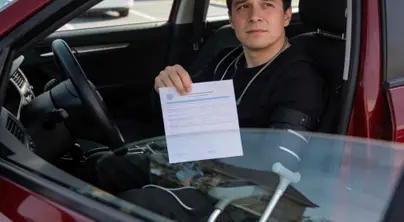
Handicap parking placards are not exclusively for physical disabilities. Veterans with PTSD may qualify for a placard when their condition affects their ability to navigate public spaces safely, particularly in crowded parking areas that can trigger hypervigilance, panic responses, or dissociative episodes. This is a frequently overlooked PTSD benefit for veterans that has an immediate practical impact on daily life.
How PTSD-Related Limitations Qualify for a Placard
Eligibility for a handicap parking placard is determined at the state level, and criteria vary. However, the common thread across most states is that a qualifying disability must substantially limit the ability to walk or navigate public spaces. For veterans with severe PTSD, symptoms such as agoraphobia, severe anxiety in open or crowded spaces, dissociative episodes that create a safety risk, and co-occurring physical disabilities from service-connected injuries can all support a placard application. According to Legal Clarity, qualifying for a placard requires physician certification that your condition meets your state’s legal definition of disability-related mobility limitation.
How to Apply with Physician Certification
A licensed physician must complete a medical certification form that confirms your diagnosis and explains how your condition affects your mobility or ability to navigate parking areas. This certification is then submitted to your state’s DMV. The process is straightforward once you have the right medical documentation. Online disability parking placards evaluations connect veterans with licensed physicians who can complete the required DMV forms on the same day without requiring an office visit. The service has helped over 33,000 patients and holds a 4.5-star rating from more than 1,000 reviews.
Estimated Value and Ongoing Benefits
The estimated annual value of a handicap parking placard is $300 to $500, reflecting the practical convenience and the reduction in physical and psychological stress associated with navigating large parking areas. For veterans with PTSD whose symptoms are triggered by crowded or exposed environments, accessible parking directly reduces daily exposure to triggering situations. Rocket Records lists this benefit under its MOBILITY category with over 12,400 verified users on the platform.
Prescription Assistance as a Critical Veteran Mental Health Benefit
Managing PTSD often requires a combination of medications including SSRIs, SNRIs, prazosin for nightmares, and sometimes atypical antipsychotics or sleep aids. The cost of these medications without adequate coverage can be a serious financial burden, making prescription assistance one of the most impactful veteran mental health benefits available.
VA Prescription Coverage for PTSD Medications
Veterans enrolled in VA healthcare receive prescription coverage for all medications prescribed by VA providers, including those used to treat PTSD. The VA’s formulary covers sertraline (Zoloft), paroxetine (Paxil), venlafaxine (Effexor), and prazosin, all of which are first-line medications for PTSD. Copays vary based on the veteran’s priority group, ranging from no cost for veterans with service-connected conditions to a small fixed fee for other eligible veterans. According to the VA National Center for PTSD, medication combined with evidence-based psychotherapy is often the most effective approach to managing PTSD long-term.
Extra Help and Low Income Subsidy for Veterans Not Fully Covered
Veterans who are enrolled in Medicare Part D but not in VA healthcare, or who use both systems simultaneously, may qualify for the Extra Help program (also known as the Low Income Subsidy) which reduces out-of-pocket prescription drug costs to near zero for qualifying individuals. This program is particularly valuable for veterans who have aged into Medicare but continue to require PTSD medications. The application is filed through the Social Security Administration and eligibility is based on income and resource limits.
Patient Assistance Programs for PTSD Medications
For veterans who are not covered by VA healthcare and who cannot afford their PTSD medications, pharmaceutical manufacturer patient assistance programs (PAPs) offer free or deeply discounted medications to qualifying patients. Major manufacturers of PTSD medications including Pfizer, AstraZeneca, and Eli Lilly operate PAPs with income-based eligibility criteria. Rocket Records identifies prescription assistance eligibility across its platform, with the benefit valued between $1,200 and $4,000 per year and verified by over 9,800 users. The CDC’s resources on emerging practices in diabetes self-management education, while focused on diabetes, illustrate how structured patient education programs can be applied to prescription management for chronic conditions like PTSD as well.
Additional Veteran Mental Health Benefits Worth Claiming
Beyond the six core services covered above, veterans with PTSD qualify for several additional veteran mental health benefits that are consistently underutilized. These programs operate at the intersection of finance, healthcare, and housing, and they can add thousands of dollars in annual savings when claimed alongside the primary benefits.
Veteran Tax Exemptions by State
One of the most financially significant but least-claimed benefits available to veterans with PTSD is the state property tax exemption. According to a VA News report on unlocking veteran tax exemptions, every state and U.S. territory offers some form of property tax relief for disabled veterans. The extent of the exemption varies widely: some states offer full property tax waivers for veterans rated at 100% disabled, while others provide partial exemptions starting at 10% disability ratings. For example, Texas provides a full property tax exemption for veterans with a 100% disability rating. Florida exempts the first $5,000 of assessed property value for veterans with a service-connected disability of 10% or more. California offers a $161,083 property tax exemption for veterans with a service-connected disability.
In addition to property tax exemptions, many states exempt VA disability compensation from state income tax, and some extend additional benefits including free or reduced-cost hunting and fishing licenses, free state park access, and reduced vehicle registration fees. These benefits collectively represent hundreds to thousands of dollars per year in savings that many veterans never claim because they are unaware of what their state offers.
Student Loan Discharge for 100% Disabled Veterans with PTSD
Veterans who receive a 100% permanent and total (P&T) disability rating from the VA, or who are determined to be totally and permanently disabled through the Social Security Administration, qualify for Total and Permanent Disability (TPD) discharge of their federal student loans. According to Hill and Ponton, P.A., a leading VA disability law firm, this benefit can eliminate outstanding federal student loan balances ranging from $10,000 to over $100,000. This is one of the most impactful one-time financial benefits available to veterans with severe PTSD whose condition rises to the level of permanent and total disability.
Direct Loans, FFEL Program loans, and Federal Perkins Loans all qualify for TPD discharge. Once discharged, the loan balance is cancelled entirely, and the veteran is no longer responsible for any repayment. Veterans who believe they may qualify should apply through Federal Student Aid at studentaid.gov and provide their VA rating letter as documentation of their disability status.
Medicaid Services for Veterans with PTSD
Veterans with PTSD who meet income requirements may qualify for Medicaid, which provides comprehensive healthcare coverage including mental health services, outpatient therapy, prescription coverage, and specialist visits. Research published in PMC, which examines Medicaid’s role in supporting individuals with chronic conditions, underscores the value of Medicaid as a complement to VA healthcare, particularly for veterans who are not fully enrolled in the VA system or who require services the VA does not cover.
Many veterans qualify for both VA healthcare and Medicaid simultaneously. In this dual-coverage scenario, Medicaid often fills gaps left by the VA including coverage for family members, community mental health services, and certain behavioral health programs that are not available through the VA’s network. The combined value of Medicaid services for veterans with PTSD ranges from $2,000 to $5,000 per year.
Take the Benefit Eligibility Quiz Now and Unlock Every Veteran Mental Health Benefit You Qualify For
How Rocket Records Helps Veterans Claim All PTSD Benefits at Once
The challenge facing most veterans with PTSD is not a shortage of available benefits. It is the overwhelming complexity of identifying which programs they qualify for, navigating multiple agencies, gathering documentation, and submitting applications before deadlines. For a veteran managing PTSD, this administrative burden can itself become a barrier to care. Rocket Records was built specifically to remove that barrier.
The platform uses AI-powered matching to analyze a veteran’s health conditions and cross-reference them against thousands of federal, state, and local benefit programs simultaneously. Entering your conditions takes less than five minutes. Within that time, you receive a fully personalized benefits dashboard showing every program you qualify for, the estimated annual value of each benefit, and pre-filled paperwork ready to submit. The average user unlocks over $12,450 per year across seven or more programs. For veterans with PTSD, the combination of VA rating assistance, ESA documentation, FMLA preparation, prescription assistance, and additional programs can push that figure significantly higher.
Rocket Records is fully HIPAA-compliant and uses bank-level encryption on all personal and medical data. Your information is never shared with third parties without explicit consent. Veterans who do not have formal documentation can describe their conditions in a text field, use voice input, or upload photos of any available records. The platform works with whatever information a veteran is comfortable sharing.
Trusted by over 250,000 Americans and rated 4.6 out of 5 stars, Rocket Records covers more than 25 benefit programs across mobility, healthcare, housing, employment, finance, recreation, and utilities. A free tier identifies all eligible benefits upfront. The premium plan starts at $19.99 per month and includes full paperwork assistance, application tracking, and renewal reminders. For veterans with PTSD who are managing the condition while trying to navigate an often overwhelming benefits landscape, Rocket Records serves as a single, streamlined entry point to the full range of PTSD benefits for veterans they have earned.





 Ask ChatGPT
  Ask Claude
  Ask Perplexity